Birds of Spring in Arizona
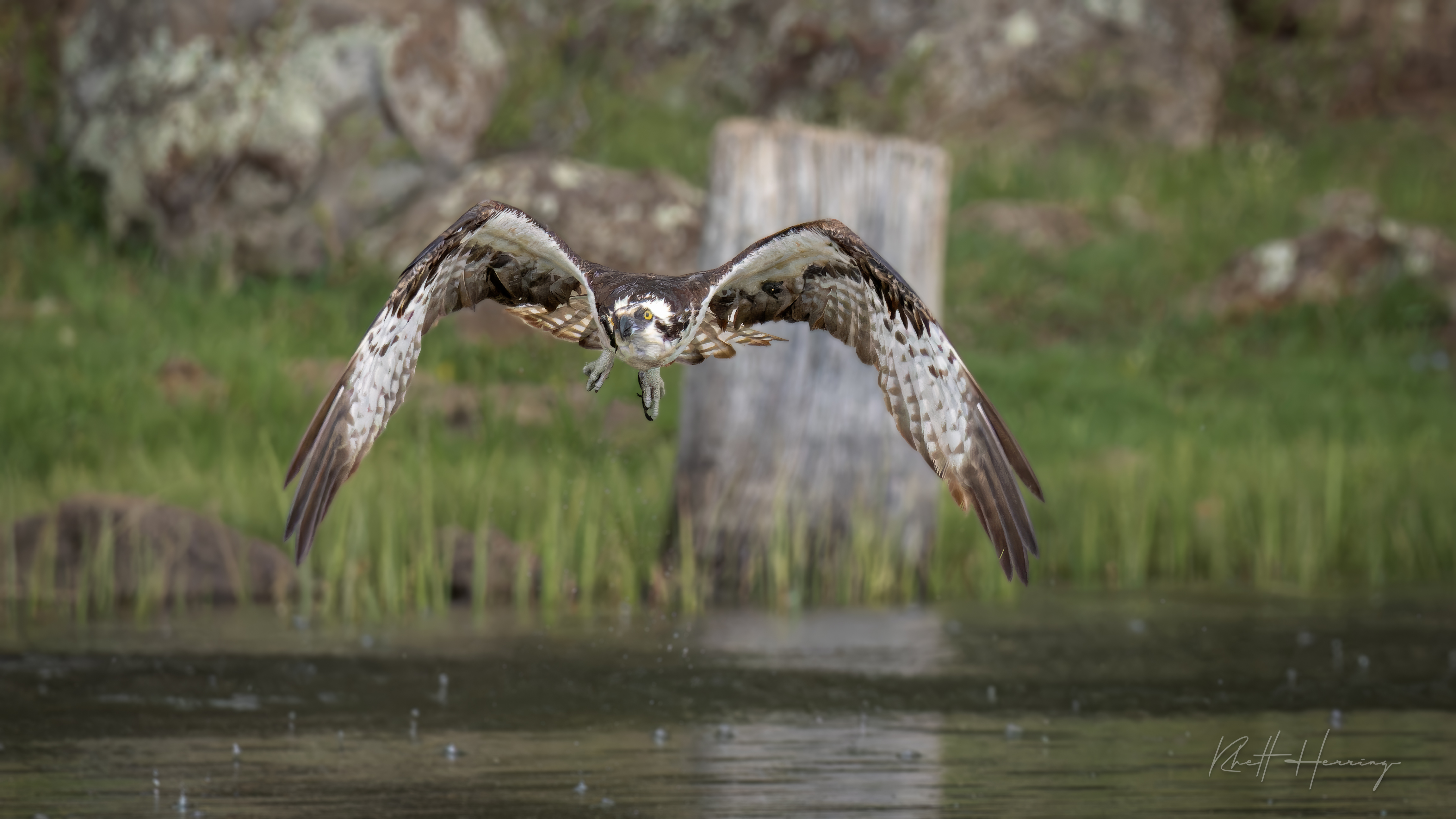
Birds of Spring in Southern Arizona
Spring in Southern Arizona always feels like someone quietly flipped a switch overnight. One week the canyons are hushed and winter‑bare, and the next they’re alive with wings, color, and the kind of frenetic energy that only migration can bring. Every year I’m reminded that this region isn’t just a good birding destination—it’s a full‑blown migration corridor that’s been used for millennia, a crossroads where desert, sky island, and tropics all shake hands.
Where the season begins: the canyons
My spring usually starts in the oak‑lined canyons of the Santa Ritas and Huachucas. Before sunrise, the air is cool enough that 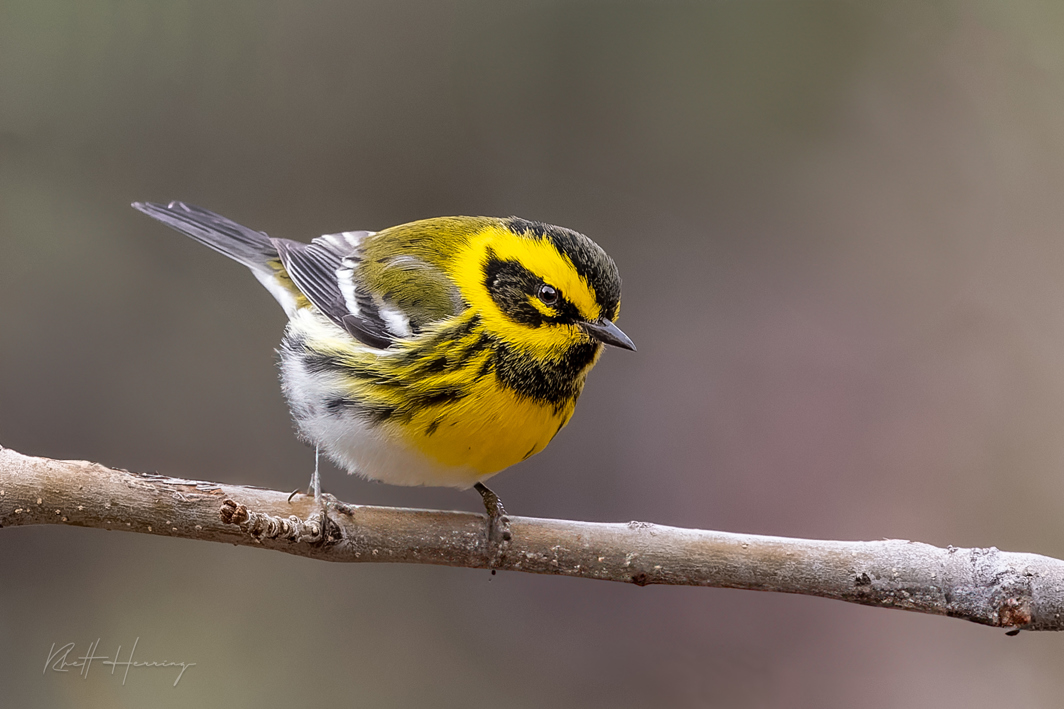 your breath fogs the viewfinder, but the birds are already moving. Warblers—Townsend’s, Wilson’s, and the occasional surprise—flit through the mid‑story, refueling on insects as they push north. Photographing them is equal parts patience and luck: you listen for the soft chip notes, watch for the slightest flicker of movement, and hope the light cooperates for more than a heartbeat.
Hummingbirds returning like old friends
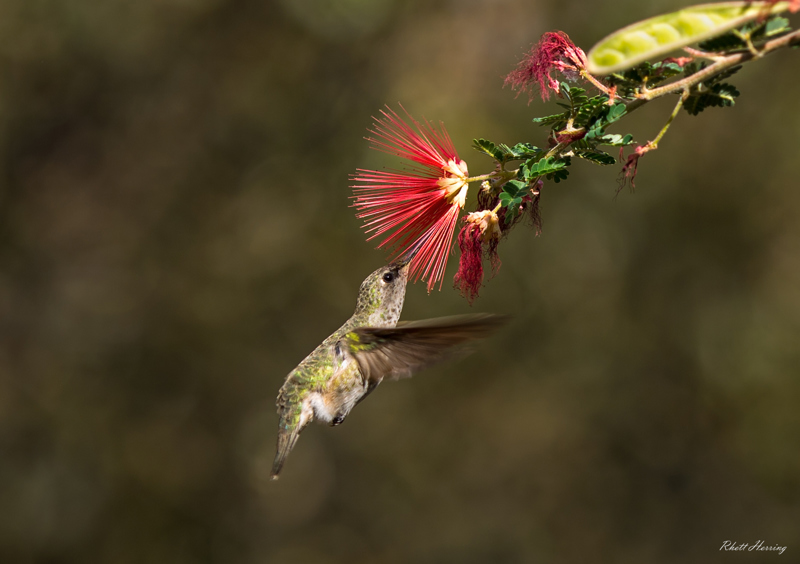 Southern Arizona’s hummingbird season ramps up fast. Broad‑billeds flash their electric blues and greens along creek edges, while Black‑chinned and Costa’s stake out perches like tiny, irritable sentinels. Their energy is contagious—one minute they’re hovering inches from your lens, the next they’re gone, leaving only the hum of wings behind. These birds are a reminder that spring here isn’t subtle; it’s bold, iridescent, and unapologetically alive.
Raptors riding the thermals
By late morning, the sky becomes its own stage. Red‑tails, Gray Hawks, and Zone‑tailed Hawks rise on the warming thermals, tracing lazy circles above the cliffs. Photographing raptors in spring is a lesson in timing: you wait for that moment when the bird banks just right, catching the sun across its wings. It’s the kind of shot that feels earned—part anticipation, part instinct, and part being willing to stare at the sky longer than most people think reasonable.
The one I wait for all year
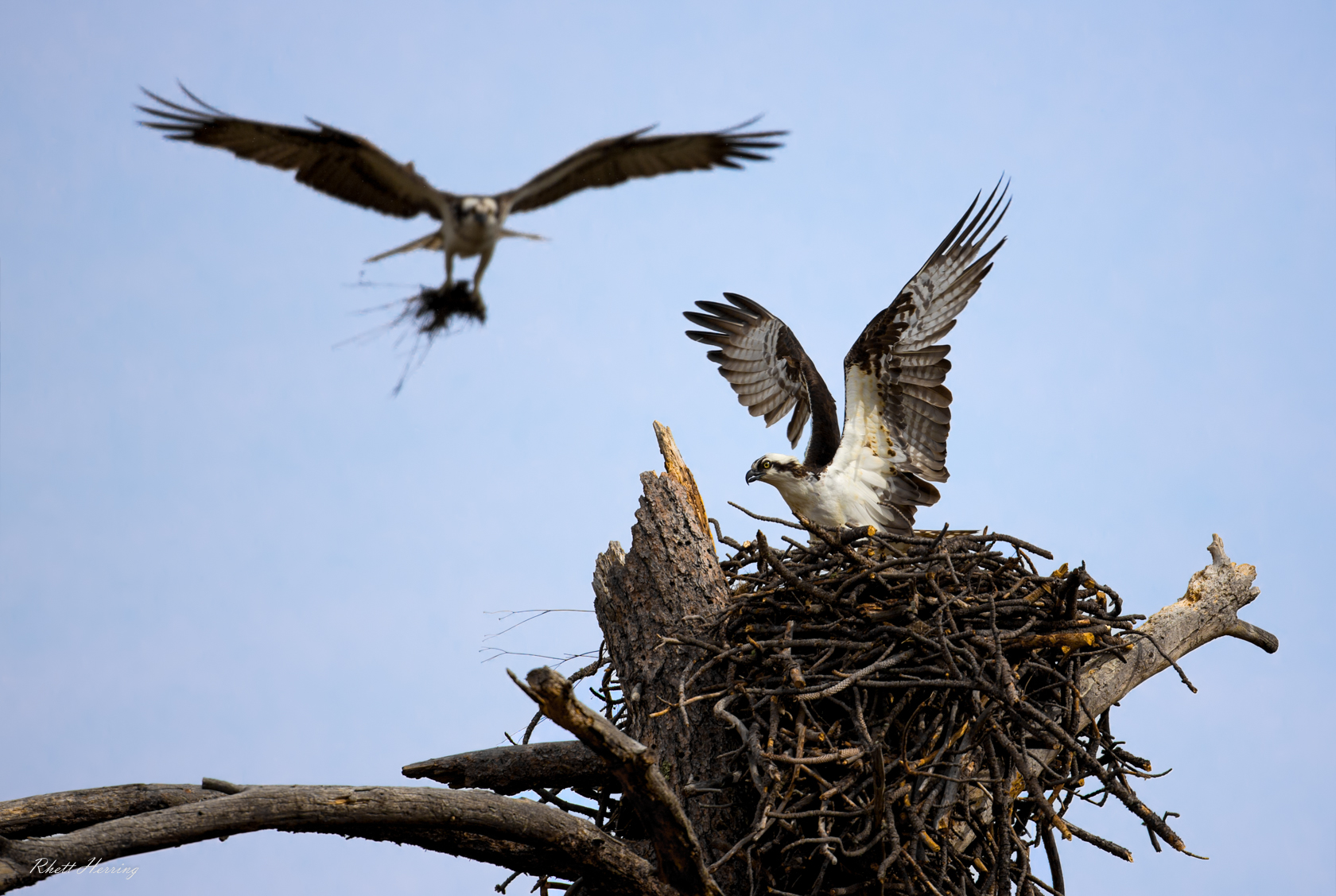
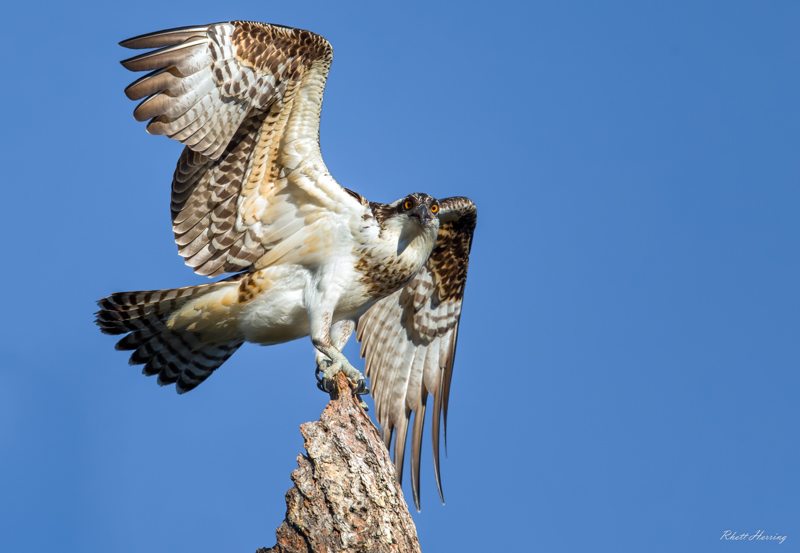 If I'm being honest, everything I just talked about is kind of a warm-up for the thing I look forward to most. Every spring, Osprey return to the White Mountains to start their yearly cycle — and that's when the season really clicks into place for me. These birds are my favorite target, hands down. There's something about watching them come back, settle onto a familiar nest, and get to work that just hits different.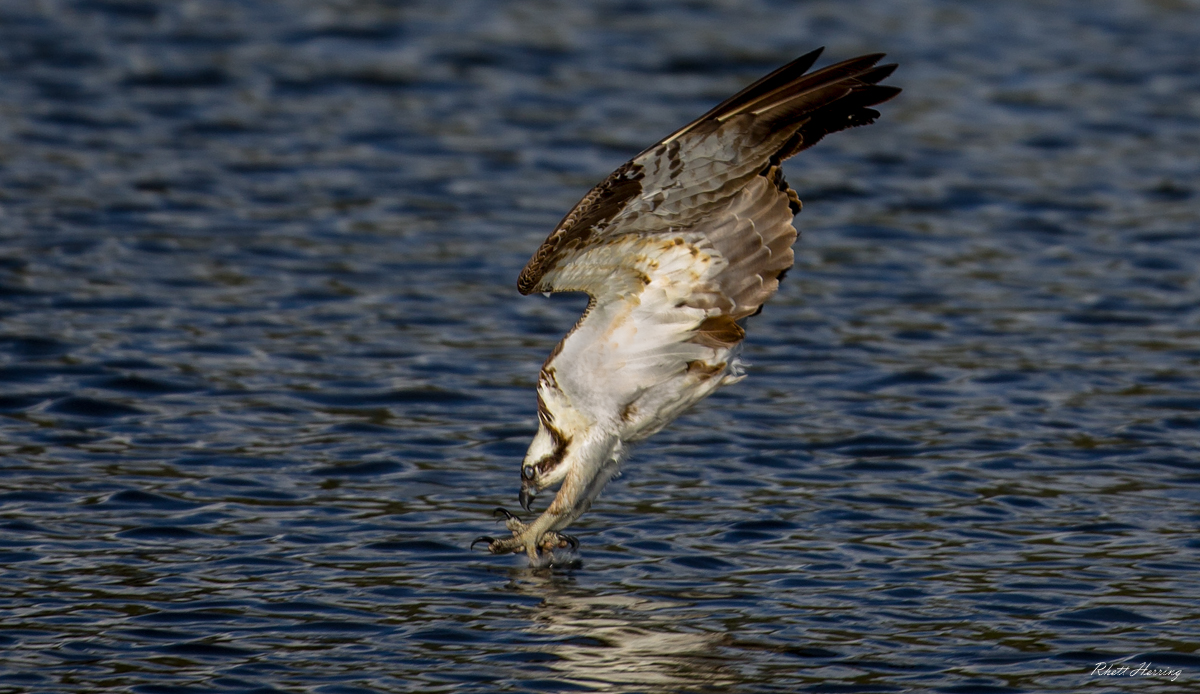
I've been lucky enough to visit some of the same nests over the years, and there's a real connection that builds when you return to a spot and recognize the birds. You start to feel like you're part of the rhythm up there. This year I'm hoping to get back to those nests again — to see if the pairs have returned and, if I'm really lucky, to watch a new generation come into the world. That's the kind of thing that makes all the early mornings and long drives worth it. No question.
Desert dwellers waking up
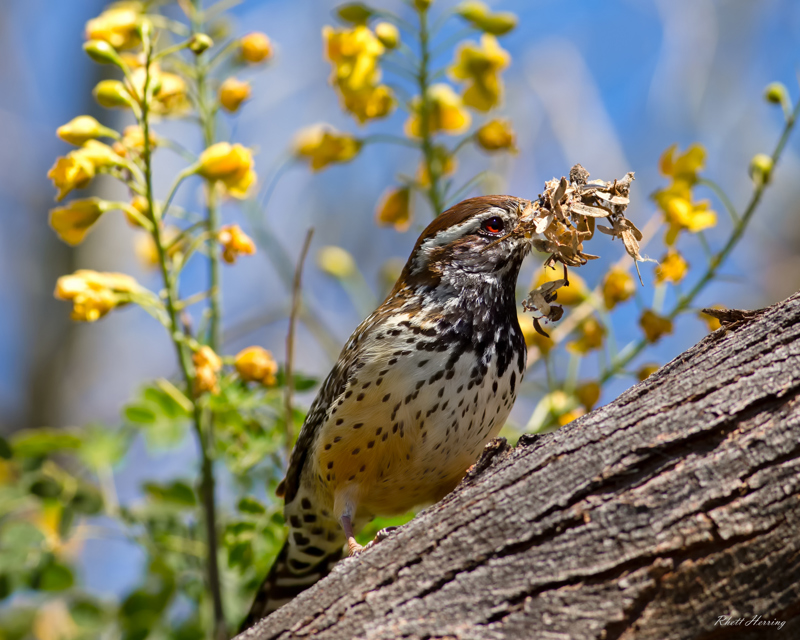 Down in the desert flats, the cast changes. Cactus Wrens chatter from cholla skeletons, Gilded Flickers drum on saguaros, and Curve‑billed Thrashers practice their scratchy songs from the tops of ocotillo. These residents don’t migrate far, but spring brings a shift in behavior—more singing, more movement, more opportunities to catch them in that perfect early‑season light.
Why spring here feels different
What keeps me coming back each year isn’t just the species list—it’s the sense of motion. Spring in Southern Arizona is a season of passage. Birds are arriving, leaving, pausing, refueling, courting, nesting. Every day feels like a new chapter, and every outing holds the possibility of a bird you didn’t expect or a moment you couldn’t have planned.
It’s a reminder of why I photograph wildlife in the first place: not just to document, but to witness.
https://dpp.eastus2.prinergyondemand.com/sPrint.one.cockpit.v1.webClient/